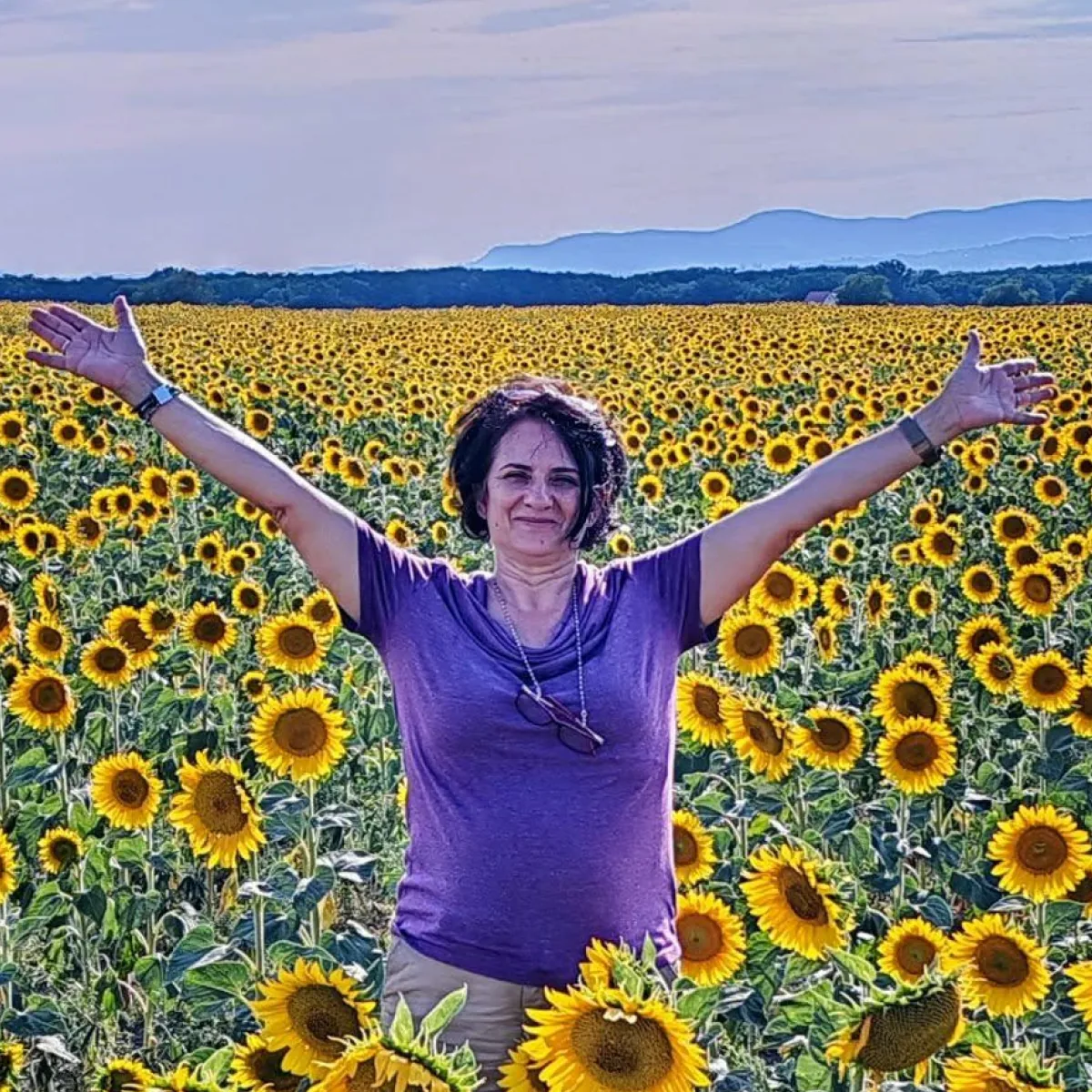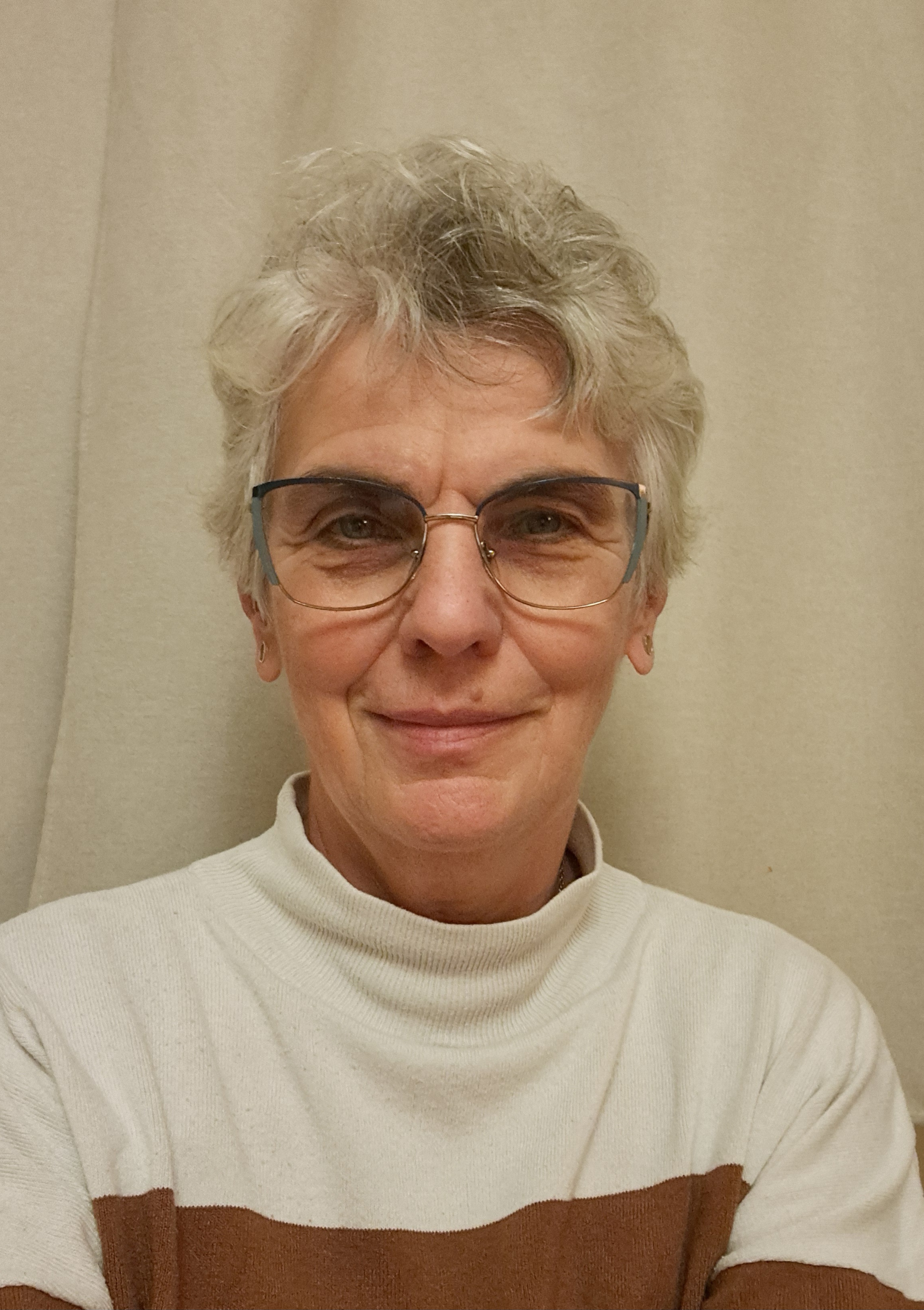
Anikó trained as a chemist and a chemistry, religious education and ethics teacher. She had a unique career: has taught chemistry in a penitentiary’s remedial vocational school and natural science in special education, and later worked in a school dormitory. After retiring three years ago, she returned to the classroom as a part-time teacher. She now teaches Roman Catholic religious education to students in grades 1–8 and to 11th-graders at a church-run technical school in Hungary.
Anikó’s students were the ones who first asked for Redmenta: saying that their other teachers used it for unit tests. Her first reaction was resistance, because she didn’t want everyone tapping on their phones in class. She also faced real challenges: a textbook she found long-winded, with the key ideas buried in text; the constant work of finding sources and illustrations to make lessons feel real; differentiating for mixed groups; and grading stacks of take-home essays fairly.
Curiosity won out. She parked her car one summer day and watched a Redmenta webinar on her laptop from the driver’s seat. By the end, she was hooked. Now she uses it regularly to prepare. True/false and logic tasks help students grasp difficult theological ideas, and reading-comprehension assignments motivated a restless 8th-grade group better than her own words could have. Her aha moment came with the lesson planner: after a few rounds of chat, it helped her create a short audio drama. In the first week of school, in a room with no projector and 31 students, she played it from her phone through a small speaker, and the room went silent. Everyone was engaged within seconds.
She also uses the assessment generator to grade essays against clear criteria, so she can explain exactly why a piece earned a four rather than a five.
“I never let the tool shape my goals. But it helps me do so much more efficiently. I prepare for lessons much faster, my assessment is more objective and personalised, and the children are more engaged. The lessons become an experience.”